01
Search instead of dig
Filter inventory by the card details and status fields you already use in the hobby.

Know what you own, where it belongs, what it cost, and what happened after it sold. CardCat keeps the operational details tight without draining the personality out of the hobby.
Collectors and sellers managing enough cards that memory, boxes, and disconnected spreadsheets no longer work.
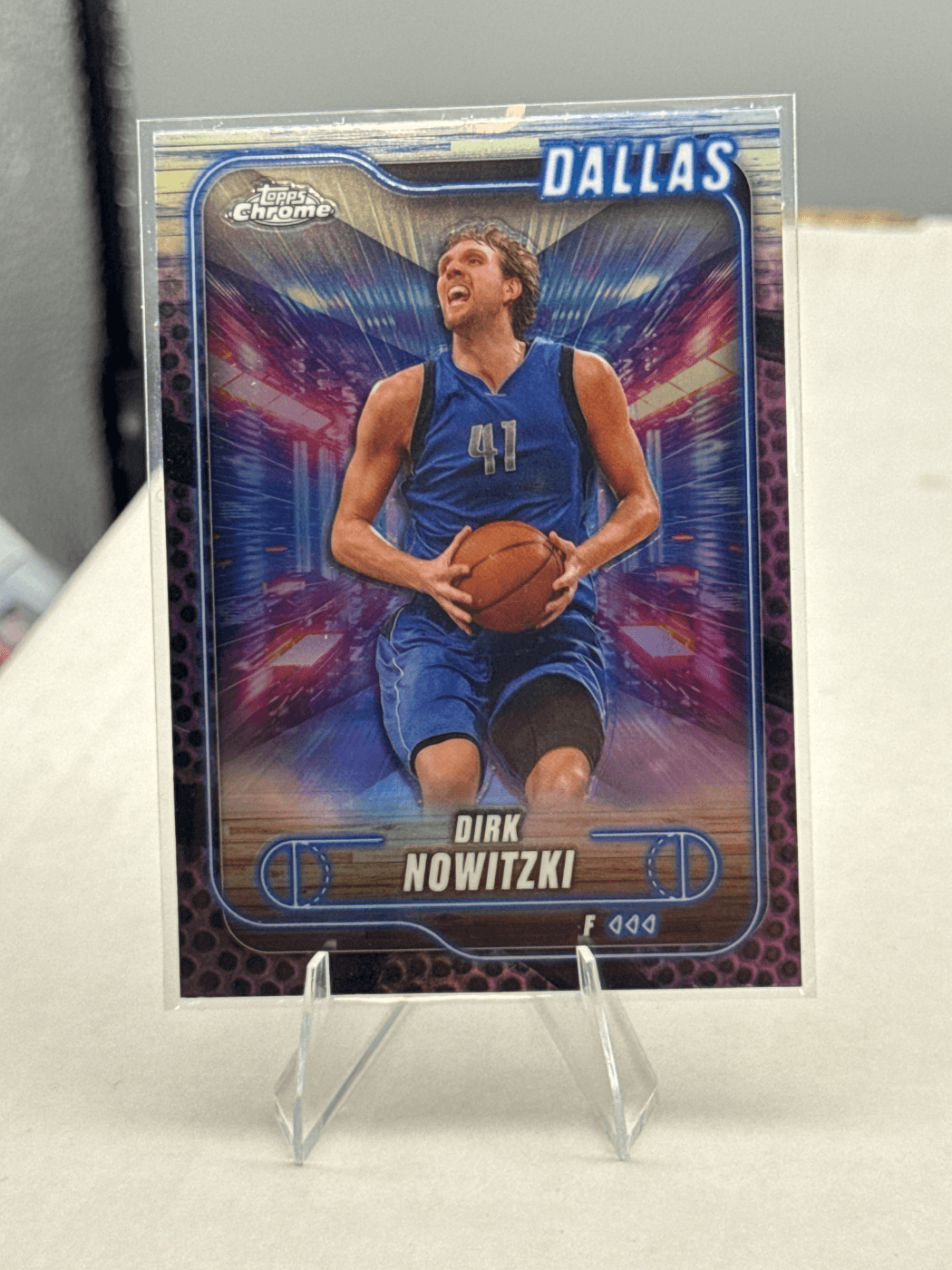
Filter inventory by the card details and status fields you already use in the hobby.
Save acquisition cost, estimated value, sale price, fees, shipping, and profit on the card record.
Export inventory and sold records whenever you need a backup or offline copy.
Create a visual record with clear card images and useful identifiers.
Update status as a card joins the PC, gets listed, or moves into sold history.
Use the catalog and sold views to understand active inventory and completed results.
At minimum it should track photos, player, year, set, card number, parallel, condition, grading, cost, value, status, storage notes, and sold information.
No. It works for personal collectors, part-time sellers, and larger inventories that need a more dependable system.
For many collectors, yes. CardCat adds card imagery, collection views, sharing, listings, and sold history while preserving export access.